
How Drone Inspections Reduce Risk and Cost in Construction Projects
MN
Introduction to Drone Inspections
In recent years, the construction industry has experienced a technological revolution with the introduction of drone inspections. These innovative tools offer a new perspective on project management, significantly reducing risk and cost while enhancing efficiency. As the industry continues to evolve, drones are becoming an indispensable part of construction projects.

Benefits of Drone Inspections
Enhanced Safety
One of the primary advantages of using drones in construction is the enhancement of safety. By utilizing drones, project managers can conduct inspections without putting workers in potentially hazardous situations. Drones can easily navigate through difficult terrain and reach high altitudes, providing comprehensive views without the need for scaffolding or ladders.
Cost Reduction
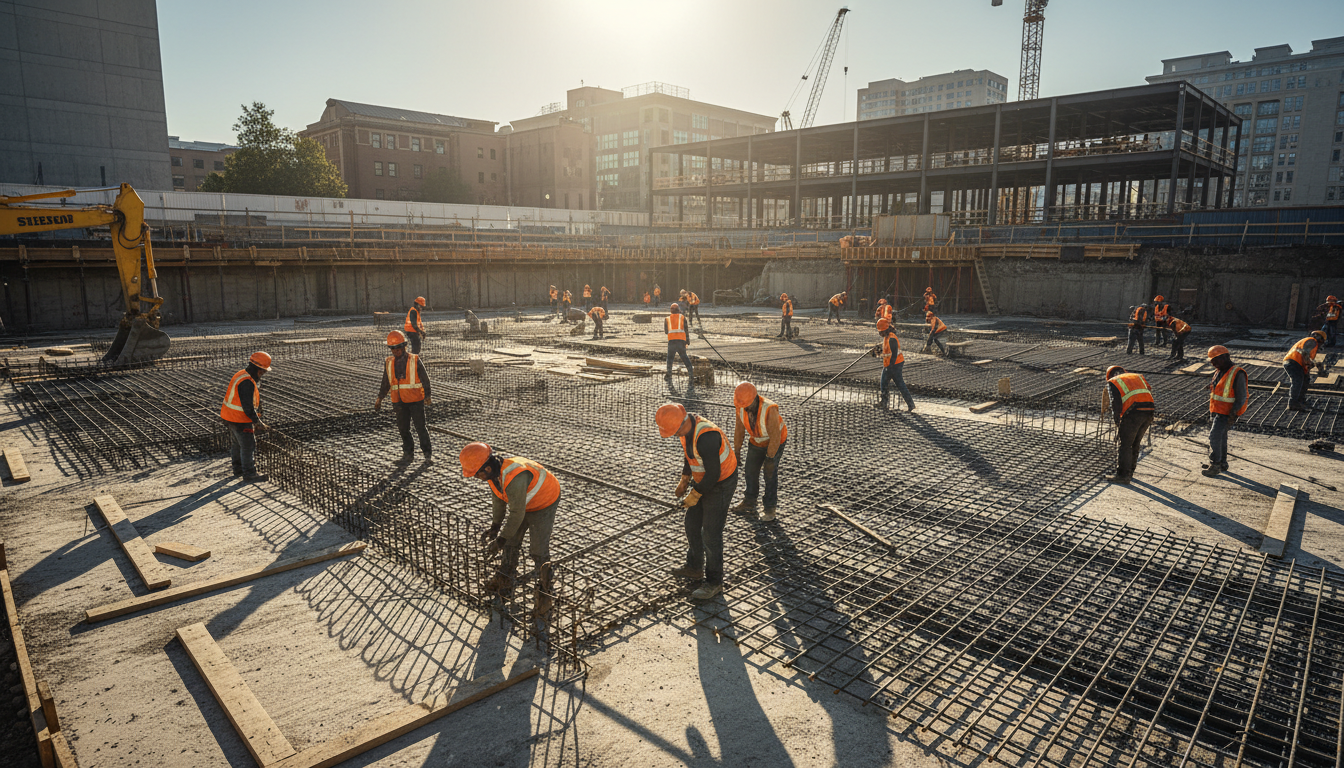
Drone inspections can lead to significant cost savings. Traditional inspection methods often require extensive labor and equipment. Drones, however, can perform the same tasks faster and more efficiently. This not only reduces labor costs but also minimizes the need for additional machinery and equipment, translating to lower overall expenses.
Improved Data Collection
Precision and Accuracy
Drones equipped with high-resolution cameras and advanced sensors can capture detailed images and data with precision. This allows for accurate assessments of construction sites, identifying potential issues before they become costly problems. The data collected can be used to create 3D models, offering a detailed view of the project’s progress.
Real-Time Monitoring
With drones, construction managers can access real-time data, enabling them to make informed decisions quickly. This capability is particularly useful for tracking project progress and ensuring timelines are met. Real-time monitoring helps in identifying bottlenecks and streamlining operations.
Environmental Impact
Drones offer a more environmentally friendly option for inspections. Traditional methods often require fuel-powered vehicles and equipment, whereas drones operate on batteries, reducing the carbon footprint of construction projects. This aligns with the growing emphasis on sustainability in the industry.
Conclusion
Incorporating drone inspections into construction projects presents numerous advantages, from enhanced safety and cost reduction to improved data collection and environmental benefits. As technology continues to advance, the role of drones in construction is set to expand, offering innovative solutions to traditional challenges. Embracing this technology is not just a trend but a strategic move towards a more efficient and sustainable future in construction.