
Comparing Manual vs. Drone Utility Inspections: Cost and Efficiency
MN
The Growing Need for Efficient Utility Inspections
The utility sector, including power lines, pipelines, and wind turbines, requires regular inspections to ensure safety and efficiency. Traditionally, these inspections have been conducted manually, involving significant manpower and time. However, with advancements in technology, drones have emerged as a modern alternative. Understanding the differences in cost and efficiency between manual and drone inspections is essential for utility companies aiming to optimize their operations.

Manual Inspections: Tried and Tested
Manual inspections have been the standard for decades. They involve technicians physically examining infrastructure, often requiring climbing, driving, or even constructing scaffolding. While this method is thorough, it has several drawbacks. The most significant is the cost associated with labor, equipment, and potential downtime of the utility being inspected. Furthermore, manual inspections can be time-consuming, taking days or even weeks to complete depending on the scope.
Advantages and Disadvantages of Manual Inspections
One of the benefits of manual inspections is the ability for inspectors to use their judgment and expertise on-site. Human inspectors can notice subtle signs of wear and tear that machines might overlook. However, the efficiency of manual methods is often compromised by the physical challenges and dangers involved. Safety risks, including falls and exposure to hazardous environments, make this process not only costly but potentially dangerous.

Drone Inspections: The Modern Approach
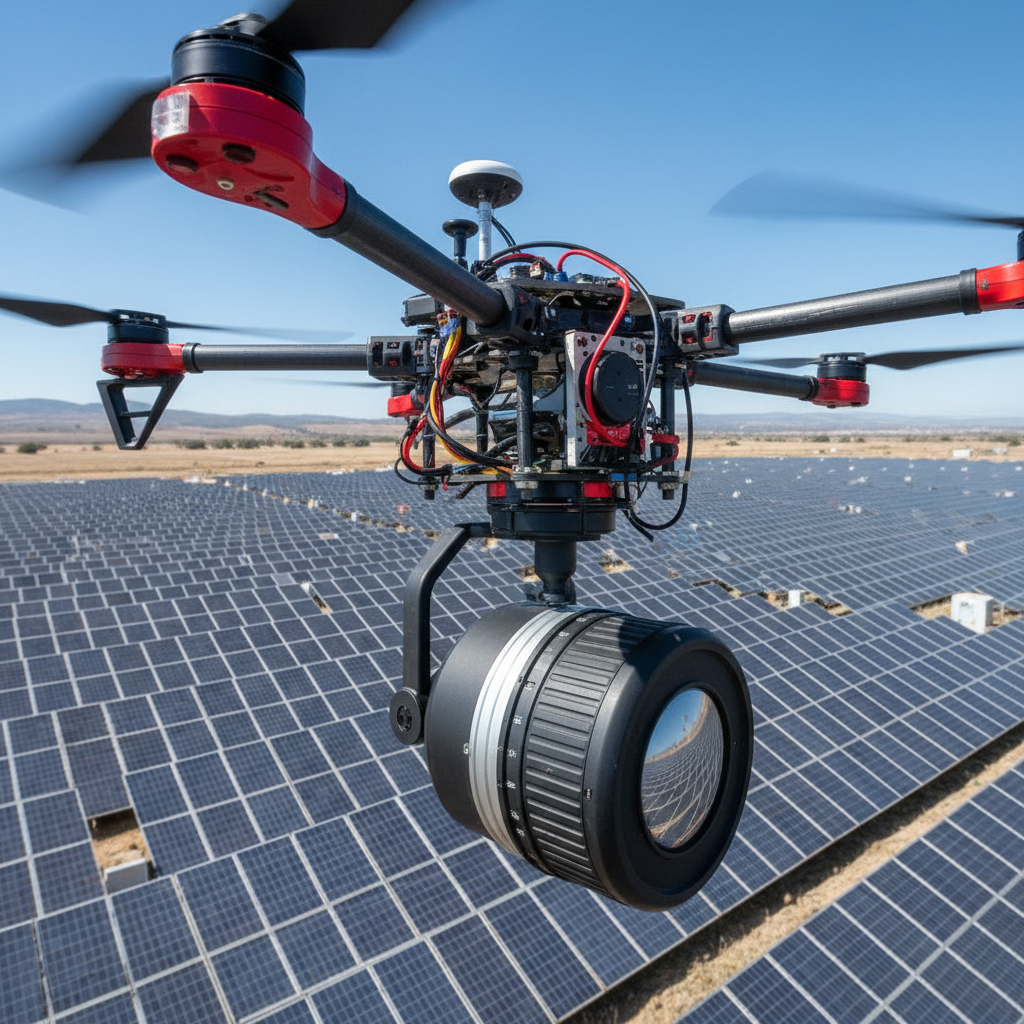
Drones provide a revolutionary approach to utility inspections, offering significant improvements in both cost and efficiency. Equipped with high-resolution cameras and sensors, drones can quickly capture detailed images and data without the need for human inspectors to physically access dangerous or hard-to-reach areas. This not only reduces the time needed for inspections but also minimizes safety risks.
Cost and Efficiency Benefits of Drone Inspections
The primary advantage of using drones is the reduction in costs. A drone can cover large areas in a fraction of the time it takes for a team of inspectors, translating to reduced labor costs. Additionally, drones can operate in various weather conditions and reach areas that might otherwise require expensive equipment or shutdowns. This results in a more efficient use of resources and faster turnaround times, allowing for more frequent inspections and early detection of potential issues.
Challenges and Considerations with Drone Technology
Despite the benefits, drone technology is not without its challenges. The initial investment in drones and training can be substantial, and there are regulatory considerations that must be addressed, such as flight restrictions and privacy concerns. Additionally, while drones excel in data collection, the interpretation of this data still requires skilled personnel.
Choosing the Right Inspection Method
The decision to use manual or drone inspections depends on several factors, including the specific needs of the utility infrastructure, budget constraints, and the availability of skilled personnel. For some companies, a hybrid approach combining both methods may offer the best balance of thoroughness and efficiency.
As technology evolves, the integration of drones into utility inspections is likely to increase. Companies that adapt to these changes stand to benefit from reduced costs, enhanced safety, and improved operational efficiency. The future of utility inspections is undoubtedly moving towards a more automated and data-driven approach.